Most first-time safari planners narrow their search to two countries within the first hour of research: Kenya and Tanzania. Both sit on the same East African plateau, share the same Great Migration herds, and get compared constantly online. Few articles explain the actual differences that change your trip. Those differences include which airport you fly into and what a park day costs. They also include how far you drive before you see your first lion.
Touring Insights built this comparison around specific numbers rather than vague impressions. That way you can pick a country based on your budget, dates, and travel style instead of a coin flip.
Why This Question Trips Up First-Time Planners
Kenya and Tanzania both offer the classic safari scene. Think open grassland, big cats, and the wildebeest migration crossing rivers on cue for Instagram. That overlap makes the countries feel interchangeable in marketing copy. But the on-the-ground experience differs in ways that matter more to a first-timer than a returning traveler.
A first safari usually means one trip, one budget, and no room for a logistics mistake. The right country depends on how much time you have. It also depends on whether you want one park or several. Your comfort with long drives on unpaved roads matters too.
Getting There: Flights and Gateway Airports
Kenya’s main international gateway is Jomo Kenyatta International Airport (JKIA) in Nairobi. Direct long-haul flights arrive from Europe, the Middle East, and increasingly the United States. From Nairobi, most travelers connect by small plane to a safari airstrip the same day.
Tanzania’s northern circuit, home to the Serengeti and Ngorongoro Crater, runs through Kilimanjaro International Airport (JRO). The airport sits about an hour from the safari hub town of Arusha. JRO has fewer direct long-haul routes than Nairobi, so many Tanzania-bound travelers connect through Amsterdam, Doha, or Nairobi itself.
If your first safari is a standalone trip with no time pressure, this difference barely matters. Travelers tacking a safari onto limited vacation days feel the gap more. Nairobi’s better flight connectivity often saves you a full travel day each way.
Wildlife Density and What You Will Actually See
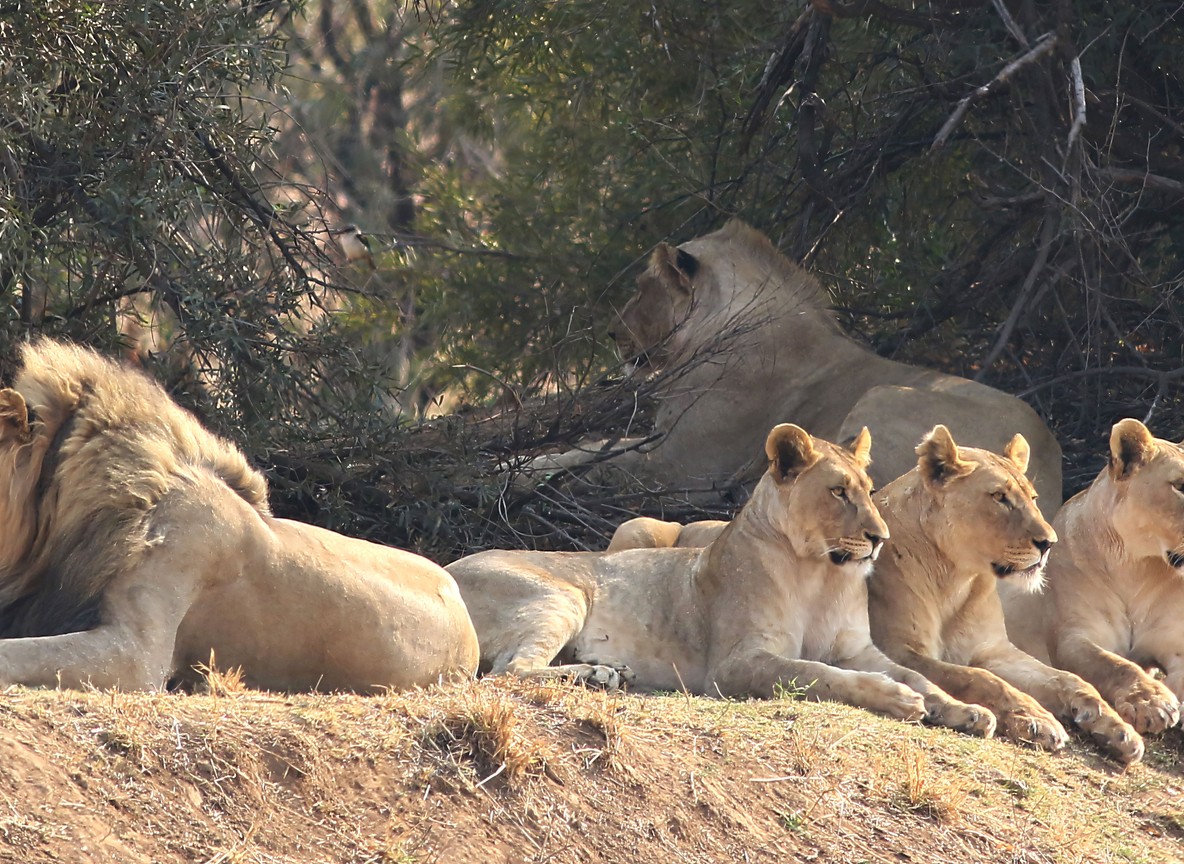
Both countries deliver the Big Five: lion, elephant, buffalo, leopard, and rhino. Rhino sightings take more planning in both places, though. The Masai Mara National Reserve in Kenya covers about 1,510 km2. It also holds some of the highest predator densities in Africa. That density is why a three-night stay there routinely produces multiple lion and cheetah sightings.
Tanzania’s Serengeti National Park is enormous by comparison, roughly 14,750 km2. Wildlife is more spread out, and a single day can involve longer stretches between sightings. The tradeoff is scale. That said, the Serengeti connects directly to Ngorongoro Conservation Area, whose crater floor packs wildlife into one compact, walled-in ecosystem. First-timers often find that ecosystem easier to grasp in a single day trip.
Park Fees and Daily Costs Compared
Park entry fees are one of the few numbers you can compare directly before you book. They apply per person per day, regardless of which camp you choose.
| Park or Reserve | Country | Non-Resident Daily Fee (2026) | Park Size |
|---|---|---|---|
| Masai Mara National Reserve | Kenya | USD 100/day (Jan-Jun), USD 200/day (Jul-Dec) | approx. 1,510 km2 |
| Amboseli National Park | Kenya | USD 90/day | approx. 392 km2 |
| Serengeti National Park | Tanzania | indicative USD 70-82/day (TANAPA rate, confirm current fee before booking) | approx. 14,750 km2 |
| Ngorongoro Conservation Area | Tanzania | indicative USD 70-71 entry plus a separate crater service fee per vehicle (confirm current fee before booking) | crater floor approx. 260 km2 |
Kenya’s Masai Mara fee doubles for the July-to-December migration season. That period is also its busiest and most expensive for camps. Tanzania’s Serengeti and Ngorongoro fees run lower per day. But you typically pay separate vehicle and crater service charges on top. Ask any operator for an all-in daily total rather than comparing headline entry fees alone.
Crowds, Roads, and Getting Around
The Masai Mara’s popularity means its main entry gates, like Sekenani and Oloolaimutia, see real traffic during peak migration weeks. Staying in a private conservancy bordering the reserve, such as Naboisho or Mara North, is one workaround. You trade a small vehicle-density fee for far fewer other vehicles at a sighting.
Tanzania’s Serengeti spreads visitors across a much larger area. Even in high season you can drive for stretches without seeing another vehicle. This is especially true in the western and northern sectors away from the central Seronera area. Road quality is rough in both countries once you leave paved highways. Expect a dusty, bumpy ride into any park regardless of which one you choose.
Driving from Nairobi to the Masai Mara covers about 270 km and takes 5 to 6 hours by road. A light aircraft covers the same route in roughly 45 minutes to a Mara airstrip. From Arusha, the drive to Serengeti’s central Seronera area runs about 325 km and takes 6 to 7 hours. Flying takes about 1 hour 15 minutes, often with a stop at the Lake Manyara airstrip along the way.
Timing Your First Safari: Migration and Seasons
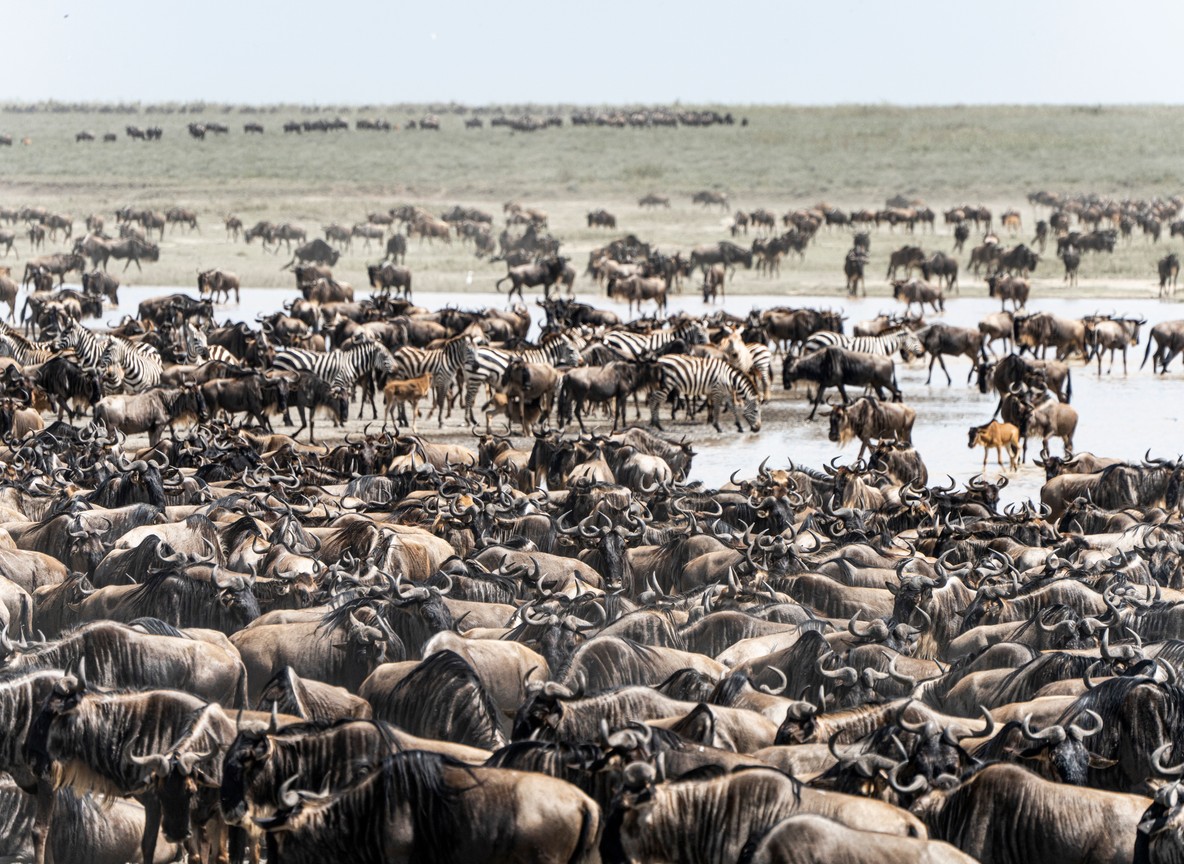
If seeing the wildebeest river crossings is your priority, timing narrows the choice more than the country does. The dramatic Mara River crossings happen in Kenya’s Masai Mara roughly from July through October. That is when over a million wildebeest push north from the Serengeti.
Tanzania holds the migration for the rest of the year. That includes the wildebeest calving season in the southern Serengeti and Ndutu area from roughly January to March. Newborn calves draw dense predator activity during those months. A first-timer set on crossings should book Kenya for a July to October trip. Someone set on calving season and newborns should look at Tanzania from January to March instead.
Which Country Fits Which Kind of First-Timer
Choose Kenya if you want strong flight connectivity into Nairobi. A shorter drive or flight to a single high-density park matters too. This fits travelers going during the July to October crossing season. The Masai Mara rewards travelers who want maximum sightings in a short window.
Choose Tanzania if you want one longer trip combining several distinct ecosystems. Think the Serengeti’s open plains alongside Ngorongoro’s crater floor. This fits travelers who do not mind an extra flight connection to reach Kilimanjaro International Airport. Tanzania also suits travelers targeting the January to March calving season rather than the mid-year crossings.
Explorer Notes
A few details that rarely make it into general comparison articles. First, your Masai Mara entry ticket is valid for roughly 12 hours, from about 6am to 6pm, not 24 hours. Plan your gate times around that window rather than assuming a full day pass. Second, community conservancies bordering the Mara, like Nashulai, often charge a lower daily fee than the main reserve. They still deliver strong game viewing, a detail worth asking your operator about directly.
Third, if you are combining both countries into one trip, plan for the border crossing. The Nairobi to Kilimanjaro overland route through Namanga takes most of a travel day. Most first-timers fly between the two rather than driving. Finally, pack for dust and temperature swings in both countries. Mornings in an open vehicle at Ngorongoro’s crater rim or the Mara’s high plains can sit near 10°C. Afternoons can climb past 25°C the same day.
What to Read Next
- Want the broader country-by-country breakdown beyond first-timer logistics? Read our Kenya vs Tanzania safari guide.
- Locking in dates around the river crossings? See our best time for the wildebeest migration in Kenya guide.
- Building your gear list before you book either country? Check our Kenya safari packing list.
FAQ
Is Kenya or Tanzania better for a first safari? Neither is objectively better. Kenya suits travelers who want strong flight access and a compact, high-density park for a short trip. Tanzania suits travelers who want to combine several ecosystems into one longer itinerary.
Which country is cheaper for a first-time safari? Tanzania’s headline park entry fees are often lower per day than Kenya’s Masai Mara, especially outside July to December. But Tanzania’s separate crater service and vehicle fees can close that gap. Ask for an all-in daily total before comparing.
Can I visit both Kenya and Tanzania on one first safari trip? Yes, many itineraries combine the Masai Mara with the Serengeti and Ngorongoro Crater. Plan for a flight or a full overland travel day at the Namanga border between the two legs.
Do I need a visa for both Kenya and Tanzania? Most nationalities need a separate visa or eTA for each country, applied for online in advance. Requirements change, so confirm current rules on each country’s official immigration site before you travel.
Which country has better wildlife viewing for beginners? The Masai Mara’s smaller size makes it easier for a first-timer to see the Big Five. High predator density helps too, even in a short stay. The Serengeti and Ngorongoro combination offers more variety across a longer trip.
Once you know which country fits your dates and budget, the next step is picking specifics. Match it to an itinerary length and camp style. Visit our Tour Packages page to compare Kenya and Tanzania options side by side. You can also ask a partner operator to build a first-safari itinerary around the country you choose here.
Further reading
More safari planning resources
- Wildebeest migration map from SafariPure
- Wildebeest migration route map from Valley Safaris
- Mara River crossing guide on Touring Insights
- Great Migration safari collection on FindMySafari
Related guides: Package Deal Safari vs Build-Your-Own Kenya Safari: A Complete Comparison.